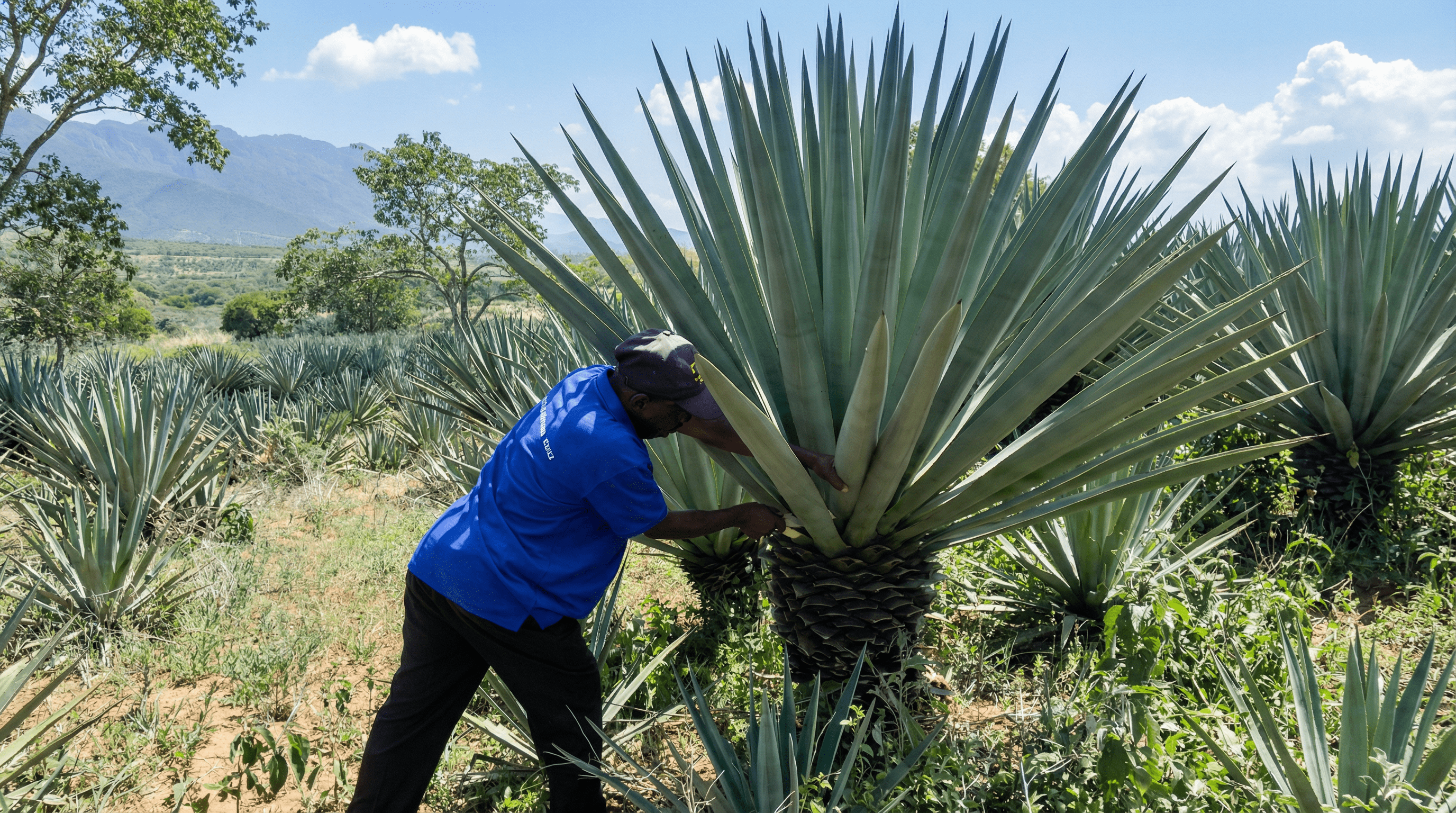
Harvesting
Harvesting usually begins when the sisal seed reaches its optimal maturity. Workers use special curved knives or cleavers to smoothly cut the leaves at the base of the leaves, close to the main stem, and then bundle them together.
Optimal Maturity Selection
Leaves harvested at peak fiber content for maximum quality
Specialized Tools
Curved knives and cleavers for precise cutting
Careful Bundling
Immediate bundling to maintain leaf freshness
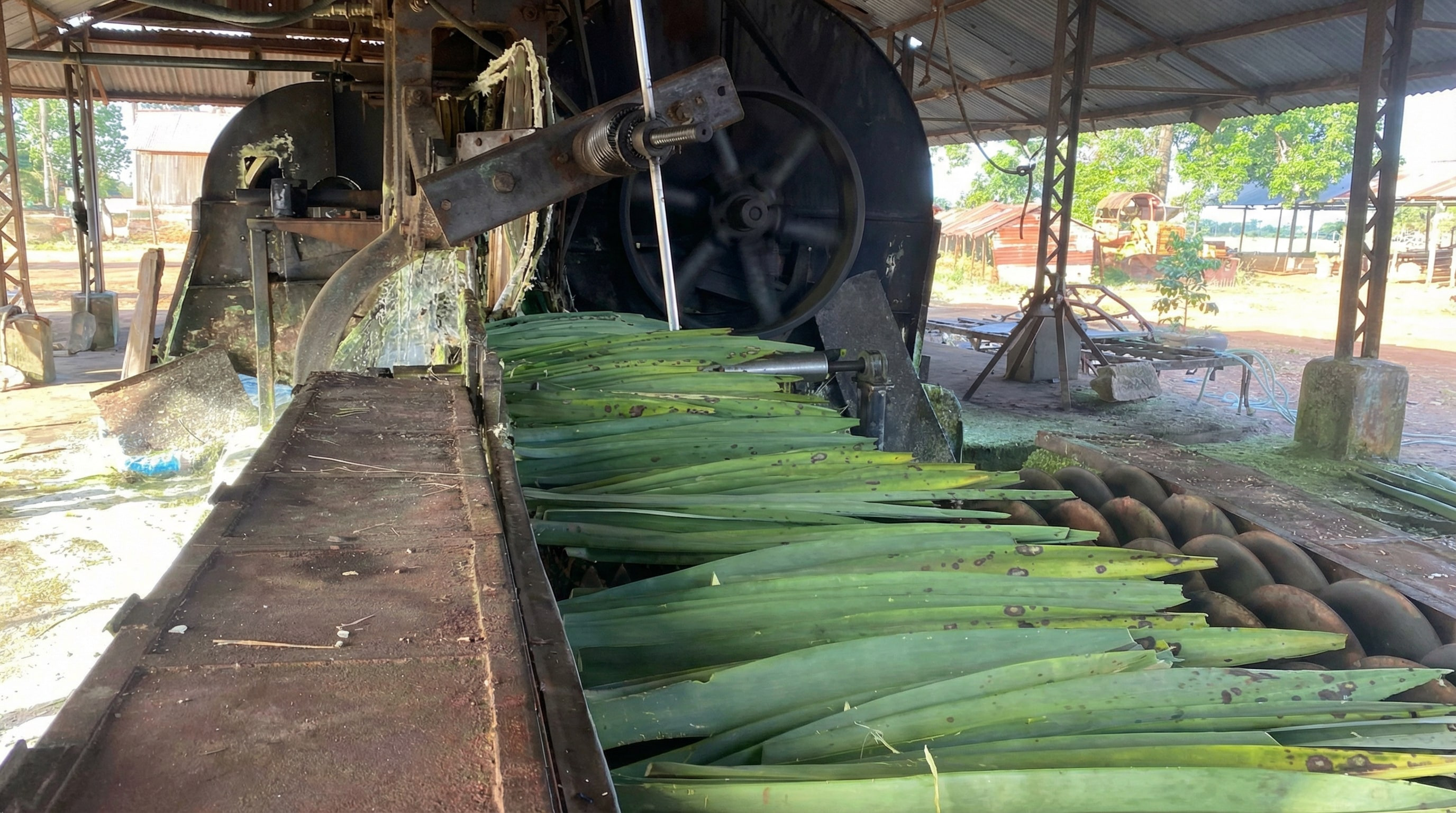
Peeling/Degumming
Modern sisal processing mainly relies on mechanized degumming using specialized decorticators. This is a continuous assembly line operation: feeding, initial crushing and scraping, washing and rinsing, and initial dehydration.
Mechanized Degumming
Advanced decorticator machines for efficient fiber extraction
Continuous Assembly Line
Feeding, crushing, washing, and dehydration in one process
Zero Chemical Processing
100% mechanical and water-based extraction
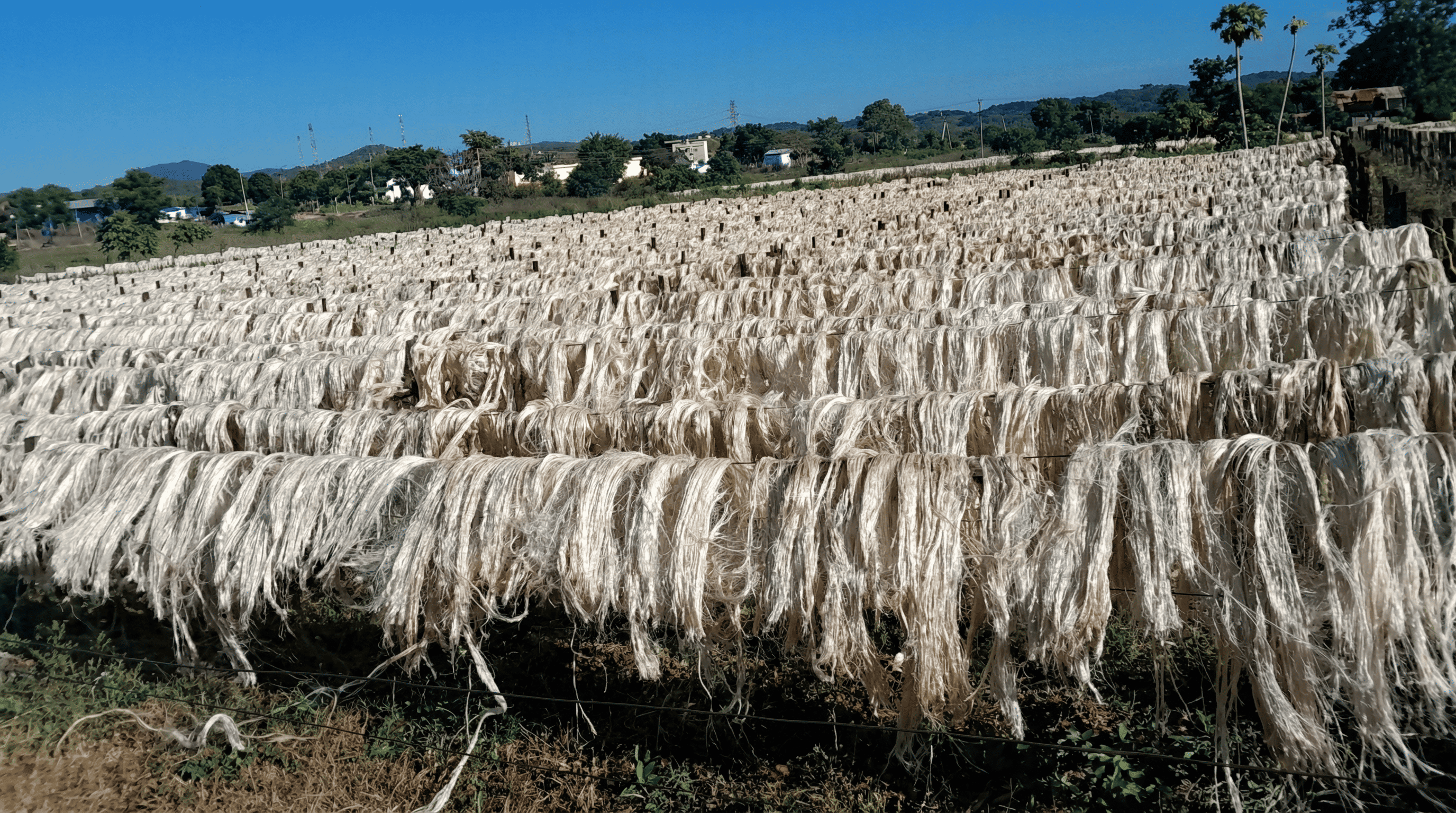
Drying
After initial dehydration, wet fibers are carefully spread out in open-air drying fields where they're exposed to natural sunlight. Tanzania's tropical climate provides ideal conditions for efficient drying, achieving the optimal 11-13% moisture content crucial for preventing mold growth and maintaining fiber strength.
Natural Sun Drying
Tanzania's abundant sunshine for eco-friendly drying
Optimal Moisture Control
Careful monitoring to achieve ideal 11-13% moisture level
Color & Strength Preservation
Maintains natural ivory-white color and fiber strength
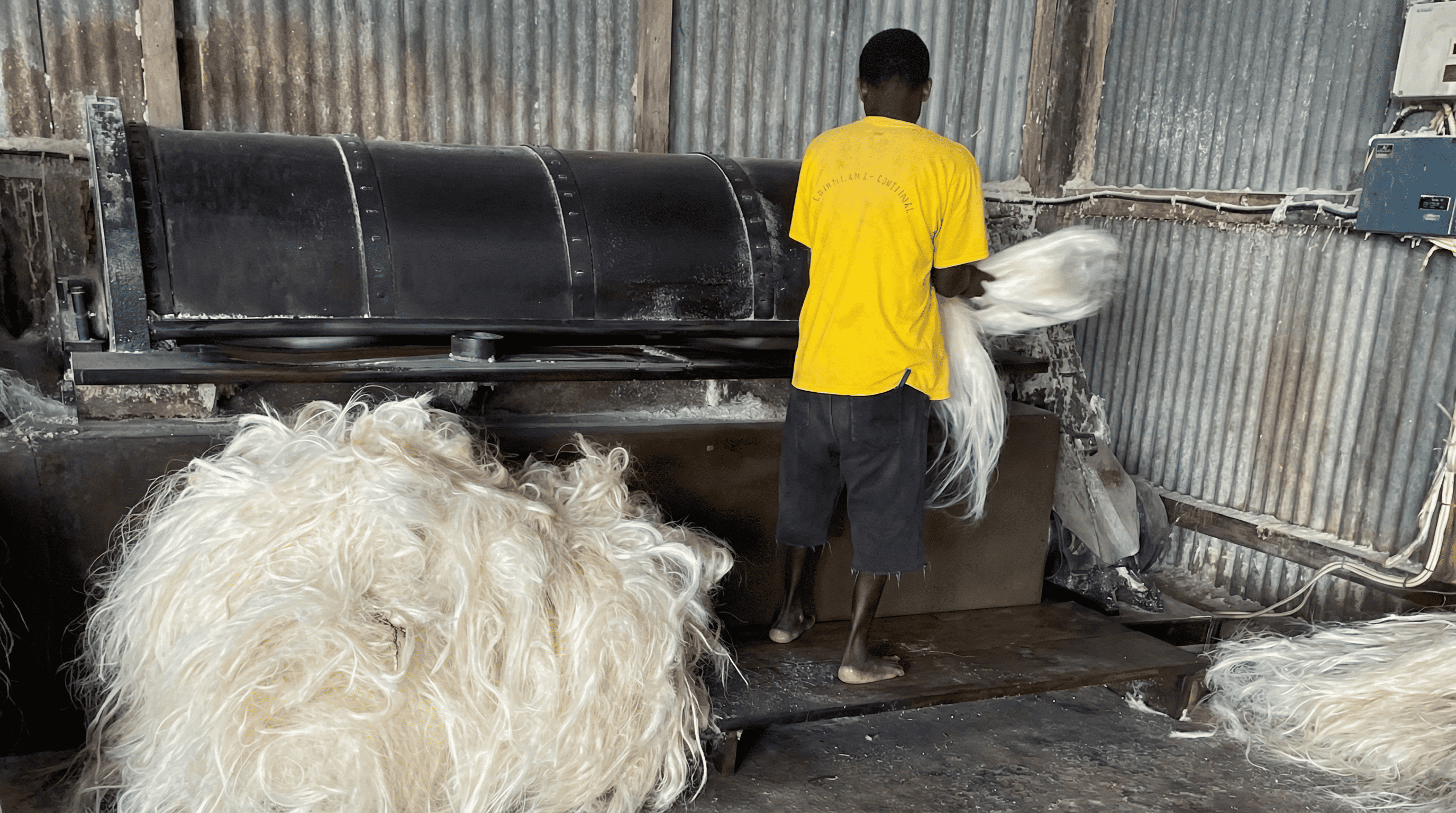
Polishing
Once properly dried, fibers undergo polishing to refine their surface and enhance appearance. Mechanical brushing and buffing equipment removes remaining impurities, smooths the fiber surface, and improves natural luster. This stage is essential for producing premium-grade fibers meeting international quality standards.
Mechanical Brushing
Specialized equipment for surface smoothing
Luster Enhancement
Gentle buffing enhances natural sheen
Premium Grade Preparation
Meets international standards for high-end applications
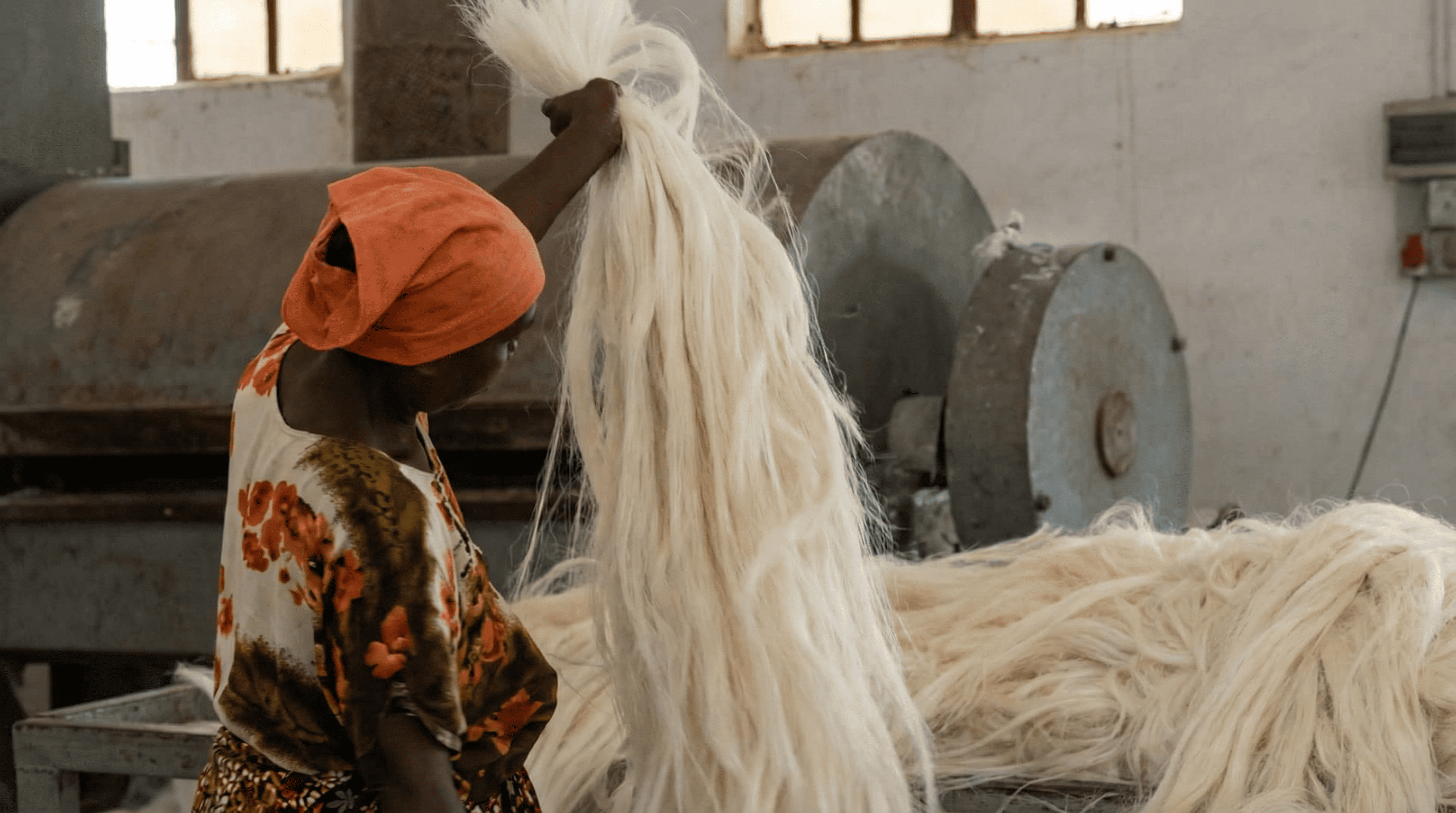
Sorting Level
Polished fibers are meticulously sorted and graded according to international standards. Our experienced quality control team classifies fibers based on length, strength, color uniformity, and overall quality. This precise sorting ensures each grade meets specific customer requirements and industry standards.
Length Classification
Sorted by length from 60cm to 120cm+ for different applications
Strength Testing
Tensile strength evaluation for load-bearing requirements
International Standards
All grades comply with FAO and international specifications
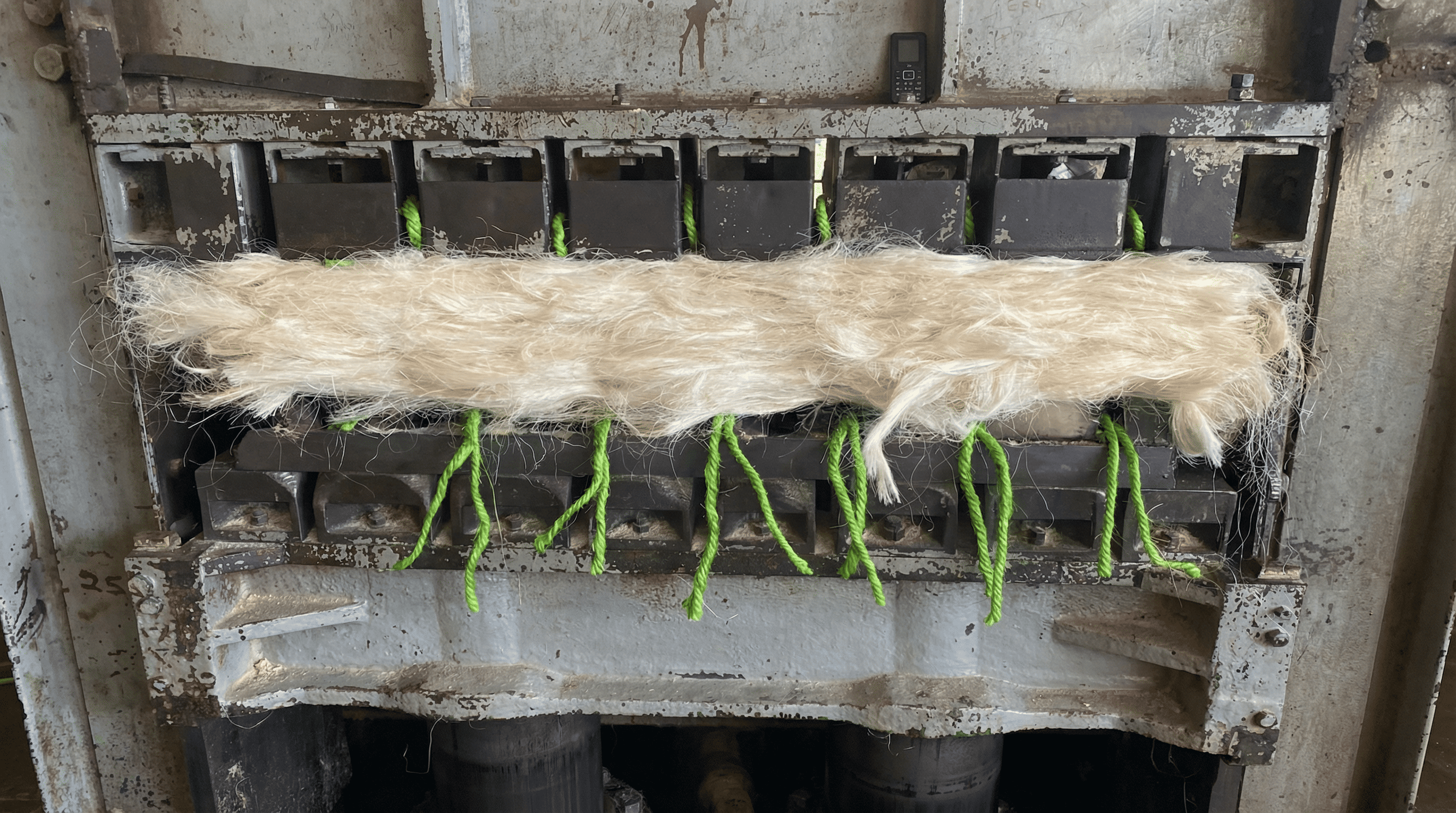
Packaging
The final stage involves carefully packaging sorted fibers for storage and international export. Fibers are compressed into standardized bales using hydraulic presses, then wrapped in protective materials to prevent moisture absorption and contamination. Each bale is clearly labeled with grade, weight, origin, and quality specifications.
Hydraulic Compression
High-pressure baling creates standardized 250-300kg bales
Protective Wrapping
Moisture-resistant materials protect fibers during transport
Export Ready
Meets international shipping and customs requirements